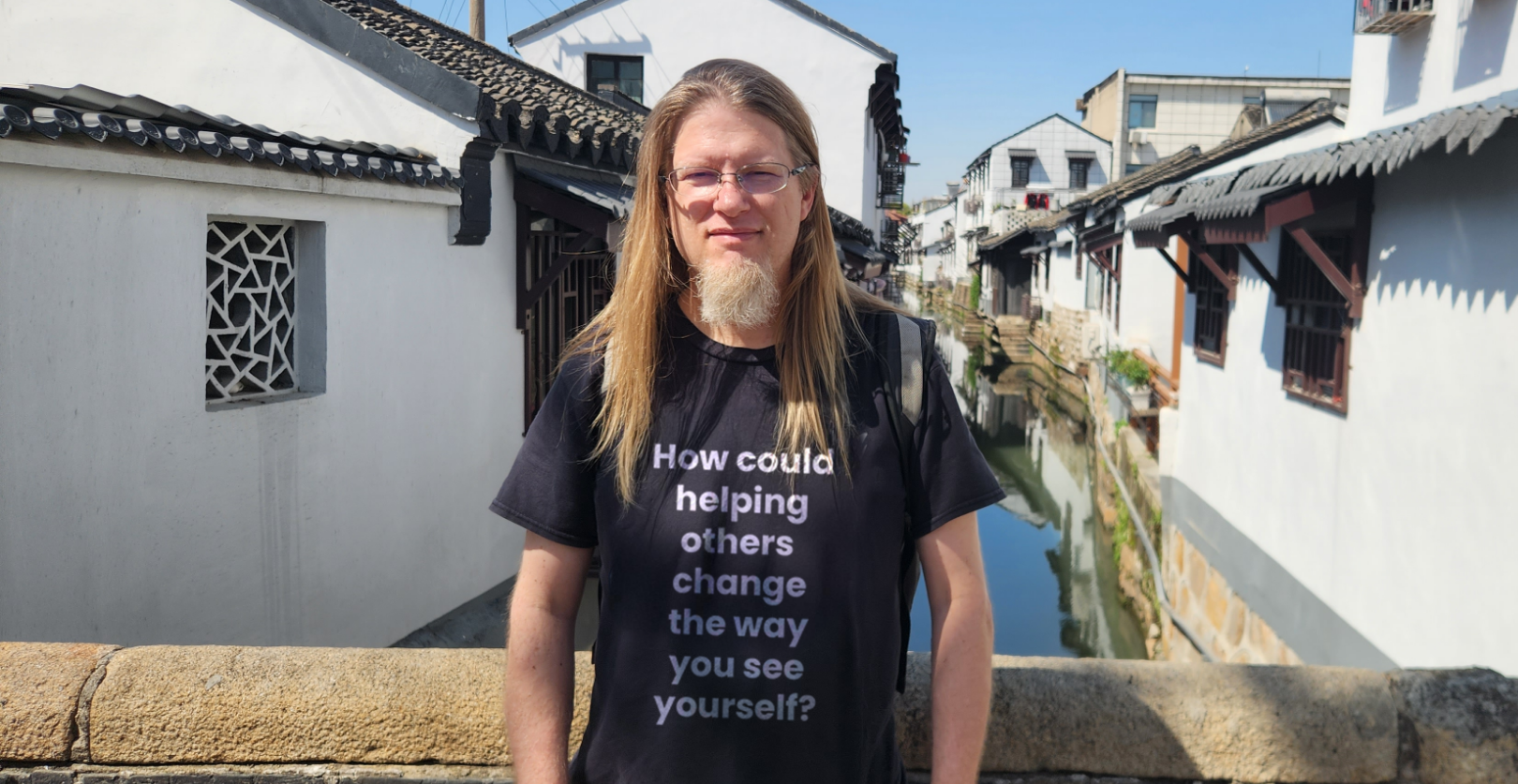


When I tell people that tinnitus hasn’t bothered me for years, the most common question I get from people still working through it is “How?”
The post below was originally shared on Reddit. It’s not a list of tricks. It’s what really worked for me. You can find the much longer full version here.
What it was like in the beginning
Every day of the first year was a war between panic and pretending to be normal.
By year two, I was clawing my way back.
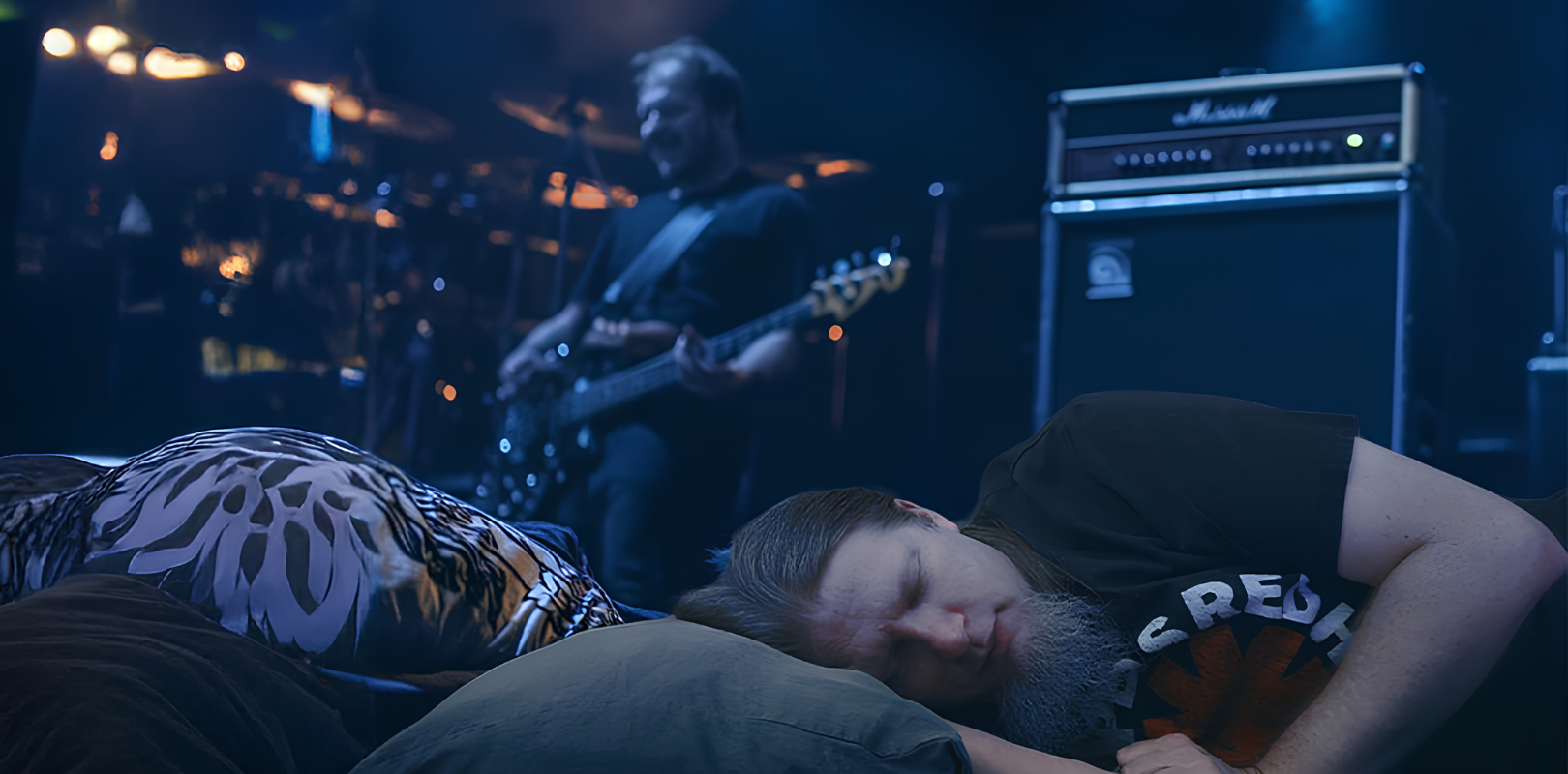
Now I go to live metal shows just like I always used to, with earplugs and without spikes.
Eight years ago, tinnitus hit me like a freight train. It was stress-induced, multi-tonal, reactive, and was very quickly joined by hyperacusis and diplacusis.
The first year was a nightmare of long days and nights of googling everything and lurking in support forums full of doom. I slept poorly or not at all. Drowning the noise in beer became my go-to solution.
There was a pattern of super loud days followed by a day or two of lower volume, then a day of silence that lulled me into thinking things might be ok…only to wake up the next day to full-on hell once again.
I was full time teacher, and I couldn’t take time off. Every day was a battle to function while my brain screamed.
The fear of “this is forever” was relentless, and I really thought I’d never be able to listen to metal or go to live shows ever again. Unthinkable for this lifelong metalhead.
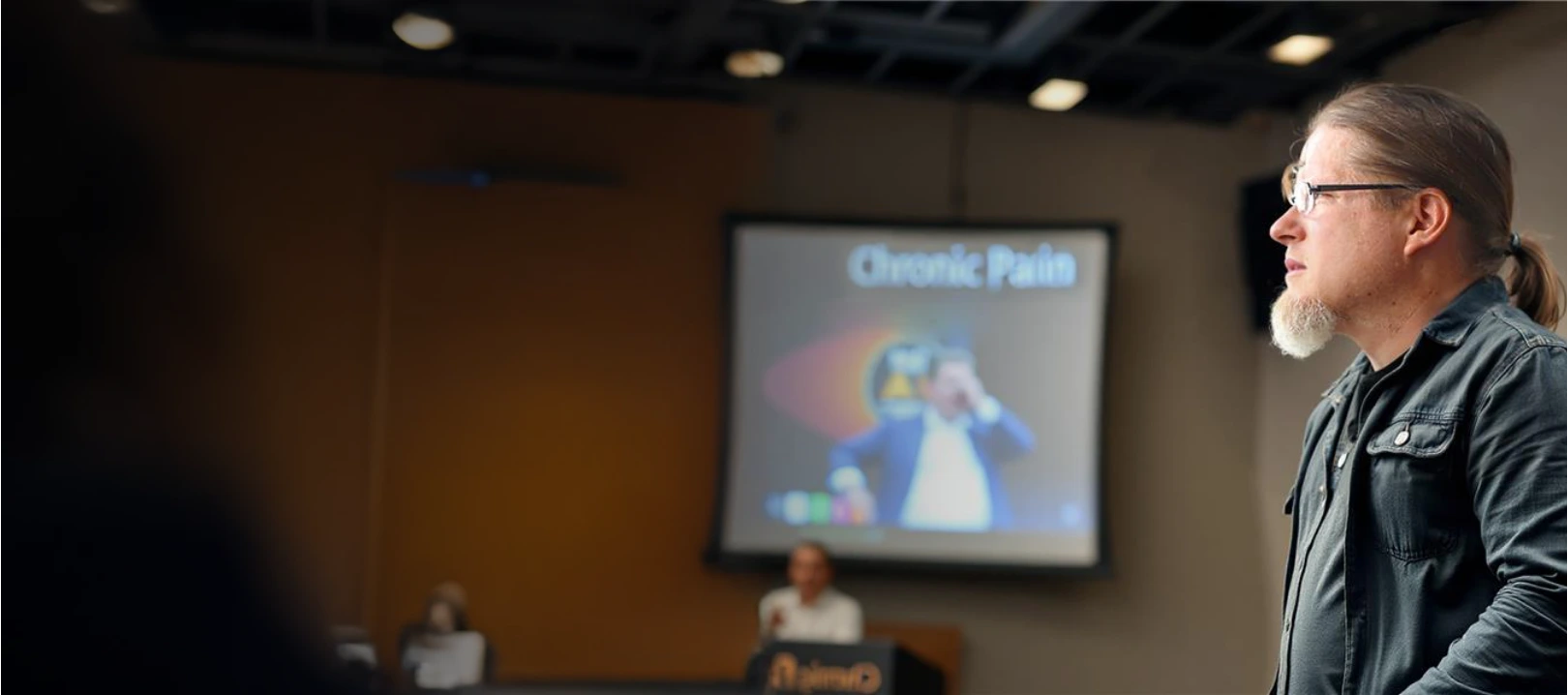
This wasn’t my first brush with something this scary. Years earlier, I’d beaten years of severe chronic pain without drugs or surgery by learning (in part) how fear and attention amplify symptoms. Those of you familiar with John Sarno and TMS know exactly what I’m talking about. That didn’t cure my tinnitus, but it gave me a path.
Things I did that brought about welcome change
I had to:
● Cut the panic loop.
Anxiety increased the volume, which raised my anxiety, which raised the volume…you get the idea. Breaking that loop was essential. It was also the toughest thing to do. It didn’t happen all at once, and I failed many times. But with practice, and in concert with other things I was doing, I got better at it.
● Quit tinnitus doomscrolling.
I found all kinds of awful stuff online that only added to my anxiety, often exponentially with thoughts like “What if that happens to me?”
● See specialists a couple of times.
I didn’t get great answers, but I ruled out hearing loss and anything serious. That helped me stop obsessing about physical damage.
● Check my mindset.
I don’t think I would be here today if I hadn’t picked up Martin Seligman’s Learned Optimism book. It helped me shift from “I’m stuck like this forever” to “This is something I can live with and retrain my brain around.”
● Reclaim my sleep.
I used melatonin and focused on music rather than the tinnitus. Over time, this refocusing became the key to shutting out the noise.
● Train my attention.
I started with sounds, but eventually I discovered that focusing on anything, like tasks or conversations, would enable me to go 5 or 10 minutes without hearing the T! I kept at it for months, and the more I did it, the less I feared the noise and the more control I felt I had. That’s when I started hearing it less and less. Eventually, refocusing became automatic.
● Use earplugs strategically.
I did this for loud environments, but not in daily life. My pain experience and John Sarno had taught me that my fear of spikes and making my T worse would keep me from getting better. The diplacusis faded in weeks, and the hyperacusis disappeared within six months, probably because my situation did not allow me to consistently avoid sounds I didn’t like.
● Stop talking about it.
I told friends and family to stop asking about it too. I figured the less I thought about it, the faster I’d get better. This helped more than expected.
● Get the right support.
I worked with a coach experienced in chronic pain and mindbody work. That was the end of awkward conversations with people who couldn’t really understand or empathize, and the beginning of being heard and helped.
● Accept that setbacks aren’t failure.
The book “Changing For Good” (by James Prochaska and others) taught me that change isn’t linear. Bad days aren’t the end. They’re part of progress.
● Start making gratitude lists.
I was skeptical about the value of doing this. There was no immediate result, but over time, it really changed my outlook on, well, everything.
● Get out and be more social.
More time out meant less time to sit around imagining the worst. I cannot emphasize how much this alone helped me.
The results of all that work
Where I used to need to drown the noise in beer every night, I now sleep through the night without even hearing the noise most of the time.
Instead of plugging my ears every time I hear plastic bags being crinkled, I’m going to see bands like Suffocation as I did when I was 19.
I made it through arguably the most horrific Covid lockdown in the world without any T issues.
I have a much richer life today than I did before T, and I appreciate it more.
The tinnitus is still technically here, but it’s irrelevant. I hear it now as I type this. I just don’t care. In five minutes, I’ll be focused on something else, and I’ll forget it’s even there.
That’s not a miracle. That’s training. And you can do it too.
If you’re in the panic phase, I promise it doesn’t last forever.
———————-
If my story resonates with you, feel free to reach out. I don’t offer quick fixes—but I do help people reclaim their lives from the fear, confusion, and despair this condition can bring.