


Tired of short-lived results? Coaching for awareness helps you achieve lasting goals and navigate life’s inevitable challenges with confidence.
You are the architect of your life
A good coach operates with a couple of assumptions in mind:
– You are the expert of your own life.
– You are perfectly capable of finding solutions and methods that work best for you.
These assumptions are why the best coaches won’t simply tell you what to do. They know, for example, that the way I lost weight may not be the best method for you. They also know that coaching you for awareness will result in far more profound and sustainable dividends than simply coaching for action.
How do coaching for action and coaching for awareness differ?
Check out the following snippets of two sessions between a coach and client (we’ll call her Jane). In session #1, the focus is entirely on coaching for action. Essentially every question is asking “what can Jane do?” In session #2, the focus is on coaching for awareness. Every question but the very last one seeks to explore Jane’s emotions and thoughts in the situation she has brought to the table:
Session #1
Jane: I’ve been doing well with my weight loss efforts, but whenever I face an unusually stressful situation, like recently losing my job, I find it hard to stay on track.
Coach: What could you do to ensure that the next time you face an unusually stressful situation, you will continue your weight loss efforts?
Jane: I’m not sure. I guess I could try to plan better.
Coach: How would planning better help you stay on track during stressful times?
Jane: If I have a plan, maybe I’ll be less likely to stray from it.
Coach: What specific actions could you include in your plan to help you manage stress without affecting your weight loss efforts?
Jane: I could prepare healthy meals in advance so I have them ready even if I’m stressed.
Coach: That sounds like a good strategy. What else might help you stay focused on your weight loss goals during stressful periods?
Jane: Maybe I could schedule regular exercise sessions and stick to them, even if I don’t feel like it.
Coach: How will you remind yourself to follow through with these actions when stress hits?
Jane: I could set reminders on my phone and maybe even have a friend or family member check in with me to keep me accountable.
Coach: Great ideas. So, what’s your plan to implement these strategies starting now?
Jane: I’ll start by meal prepping on Sundays and scheduling exercise sessions for the week. I’ll also set phone reminders and ask my sister to check in with me.
Session #2
Jane: I’ve been doing well with my weight loss efforts, but whenever I face an unusually stressful situation, like recently losing my job, I find it hard to stay on track.
Coach: What do you think causes you to stop your weight loss efforts when you face unusually stressful situations?
Jane: I think I get overwhelmed and eating becomes a way to comfort myself.
Coach: When you feel overwhelmed and turn to food for comfort, what underlying feelings or thoughts are present?
Jane: I feel a lot of anxiety and fear about the future, and eating temporarily makes me feel better.
Coach: What do you believe about yourself and your ability to handle stress without turning to food?
Jane: I guess I doubt my ability to cope with stress in healthier ways.
Coach: How might understanding these feelings and beliefs help you in staying on track with your weight loss during stressful times?
Jane: If I can recognize these patterns, I might be able to address the root causes of my stress rather than just reacting to it with food.
Coach: What strategies could you develop to address the root causes of your stress and support yourself in healthier ways during stressful situations?
Jane: I could practice mindfulness and stress-reduction techniques, like meditation or deep breathing, when I start to feel overwhelmed.
Coach: That sounds very promising. To move forward, what specific actions will you take to implement these strategies and support your weight loss efforts, even during stressful times?
Jane: I’ll start by setting aside time each day for mindfulness practice and create a list of stress-reduction techniques that I can use when I feel overwhelmed. I’ll also journal to identify and process my feelings.
Coach: Excellent plan. How do you feel about starting these new practices?
Jane: I feel optimistic. I think addressing the root causes of my stress will make a big difference in maintaining my weight loss efforts.
Go beyond temporary fixes
Awareness, in this context, is not merely about surface-level self-knowledge. It’s fairly easy to figure out, for example, what kinds of situations get us stressed out and why. However, we are far more complex than we often realize. Almost always, our attitudes, beliefs, and behaviors stem from a complex mix of commitments, underlying beliefs, assumptions, and past experience that we process and use mostly unconsciously. In order to achieve sustainable changes, it is necessary to peel those layers back, like an onion, to uncover the underlying patterns that run through our lives.
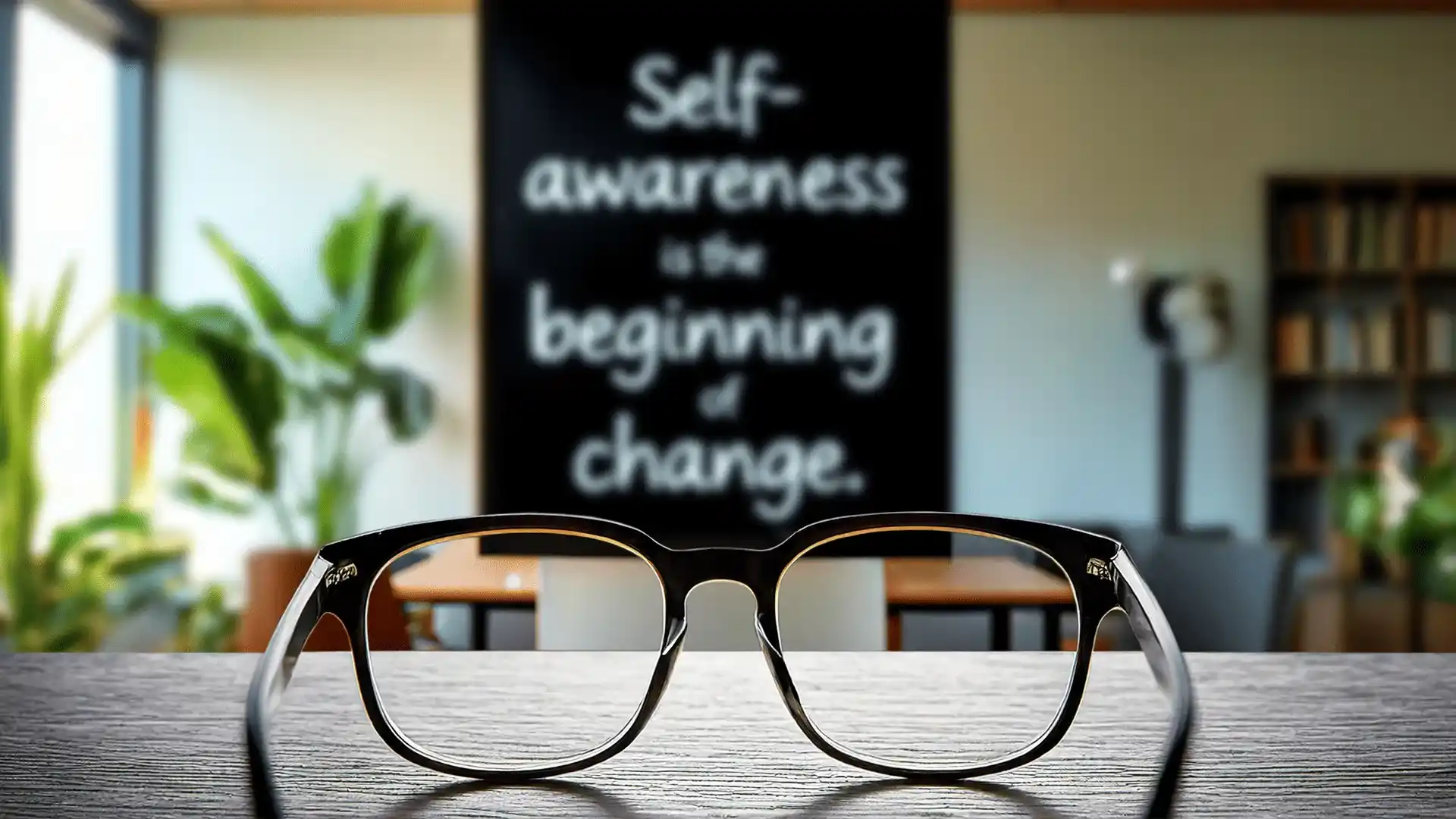
A great coach operates on the principle that self-awareness is the first step in identifying not just what we want to change, but why these changes matter. It enables us to really see our own values, beliefs, and the obstacles that stand in our way, making the path forward more meaningful and sustainable. In contrast, actions taken without this self-awareness often lead to temporary fixes rather than lasting transformation.
Awareness succeeds where willpower fails
Dieting is a great example of what amounts to a temporary fix for most people. Most commonly, we treat weight loss as a simple issue of mechanics; by consuming fewer calories than we expend, we can lose weight. Success stories of various diets abound, and they all follow this basic (and sound) principle. Yet, the majority of people who achieve significant weight loss gain it all back and a bit more within a year or two. * In order to prevent such an outcome, it is necessary to develop new and sustainable habits and behaviors, which in turn requires us to understand why we have the relationships with food and drink that we do:
What drives us to overconsume?
What emotional, relational, and cultural factors might feed into that behavior?
What attitudes, beliefs, and assumptions do we hold that might also encourage us to overconsume?
What other behaviors of ours might enable or facilitate overconsumption?
If we can become aware of – and face – these root causes, then it becomes possible to change on a much deeper level, leading not only to the sustainable achievement of goals we set out with in the first place, but a significant increase in our ability to navigate future challenges and be more resilient when doing so.
Future-proof yourself
We often see ourselves achieving that one thing – whatever it is – and then say to ourselves, “When I’ve got that, then I’ll be happy!”, as if no more growth will be needed because life will be less challenging. But that’s just not how life works. If you ever thought as a teenager that life would be so much easier once you were done with high school and out from under your parents’ control, then you know exactly what I’m talking about. There will always be some challenge to overcome or a desire not easily met (and that reminds me of the Buddhist belief that desire is the source of all unhappiness). My goal as a coach is to help you not only reach your immediate goals, but enable you, through awareness, to achieve sustainable changes, thereby making you better prepared to meet future challenges.
The coach as a reflection
I often describe coaches as mirrors – tools for awareness – that enable us to see those parts of ourselves or our situations that we otherwise wouldn’t see – they ask questions that we may never have thought to ask ourselves, and our own answers to those questions can often move us towards our goals faster than we would have otherwise moved. A good mirror will expand the often narrow view we have of ourselves and our options. Using that mirror won’t always be a comfortable experience because growth isn’t, but the results that can be gained from continued use, patience, and persistence will continue to pay off years – or even decades – after the initial challenge for which you sought coaching has long become a distant memory. THAT is where the true value of coaching for awareness becomes clear.
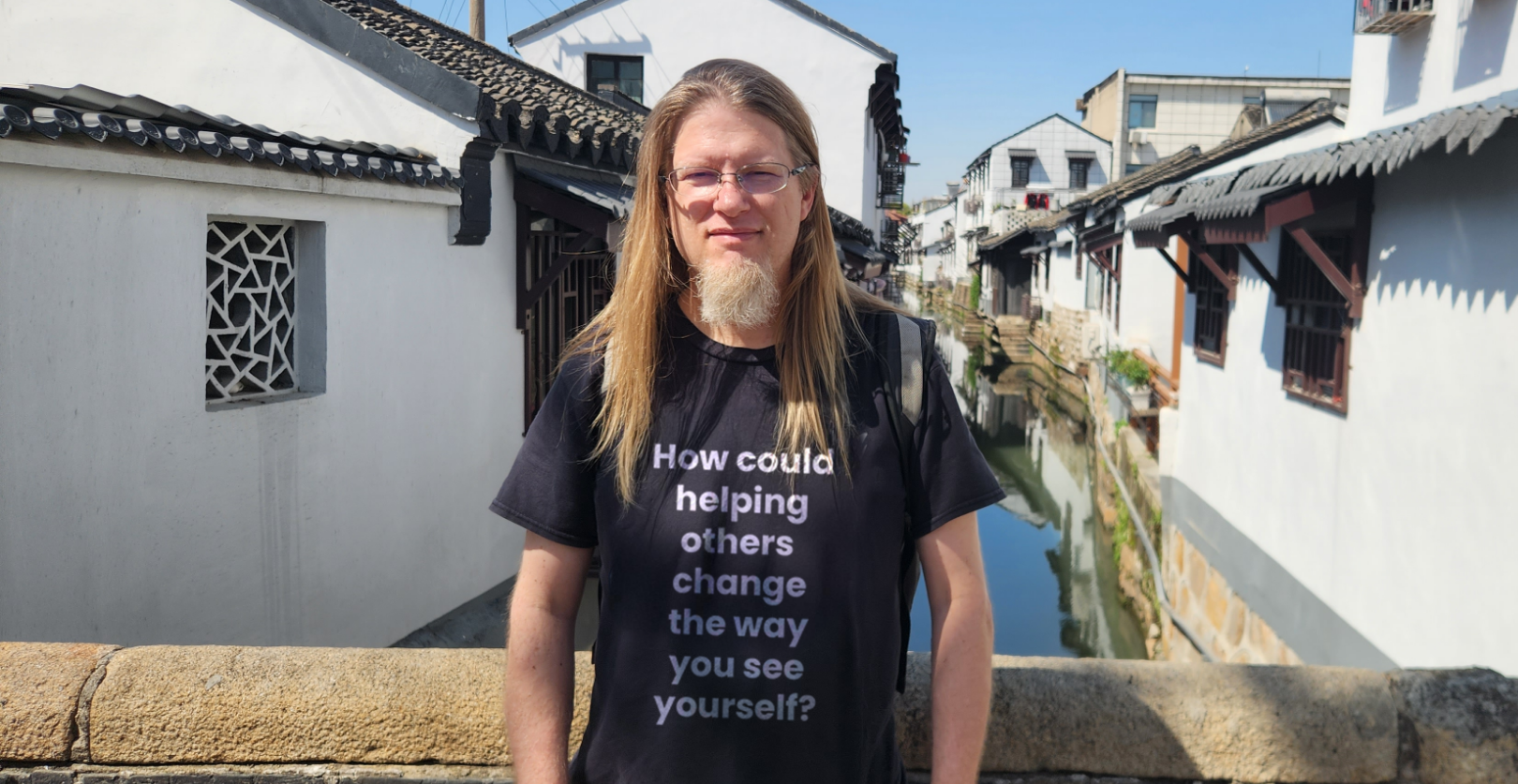
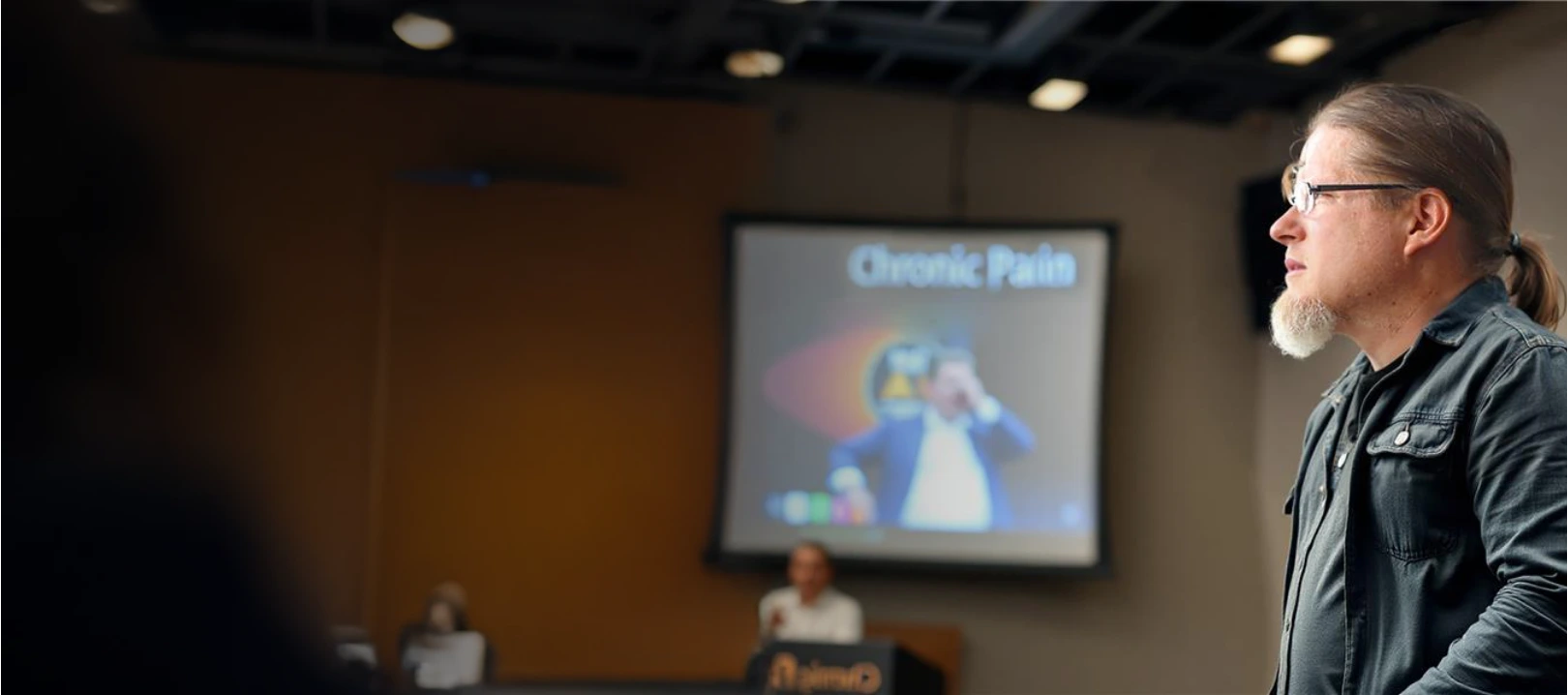
My struggles with chronic pain, tinnitus, and weight management challenges were often lonely experiences in that empathy and practical solutions were scarce from those closest to me, as well as from some healthcare professionals. As someone who understands not just the surface problems but the deep-seated battles that come with these issues and others, I now coach to offer the support I once desperately needed. These battles can be won, and sustainable change is possible. While I can’t guarantee success because that depends primarily on the work that you do in and beyond coaching sessions, you can expect that for the duration of our working relationship, I will be personally committed to helping you achieve sustainable goals that are important to you. Get in touch for a free consultation to discuss how we can work together!